Get to Know the Barn Owl
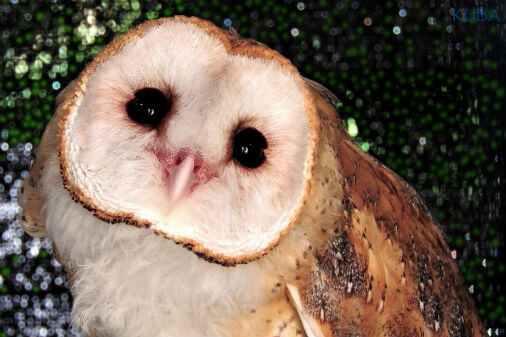
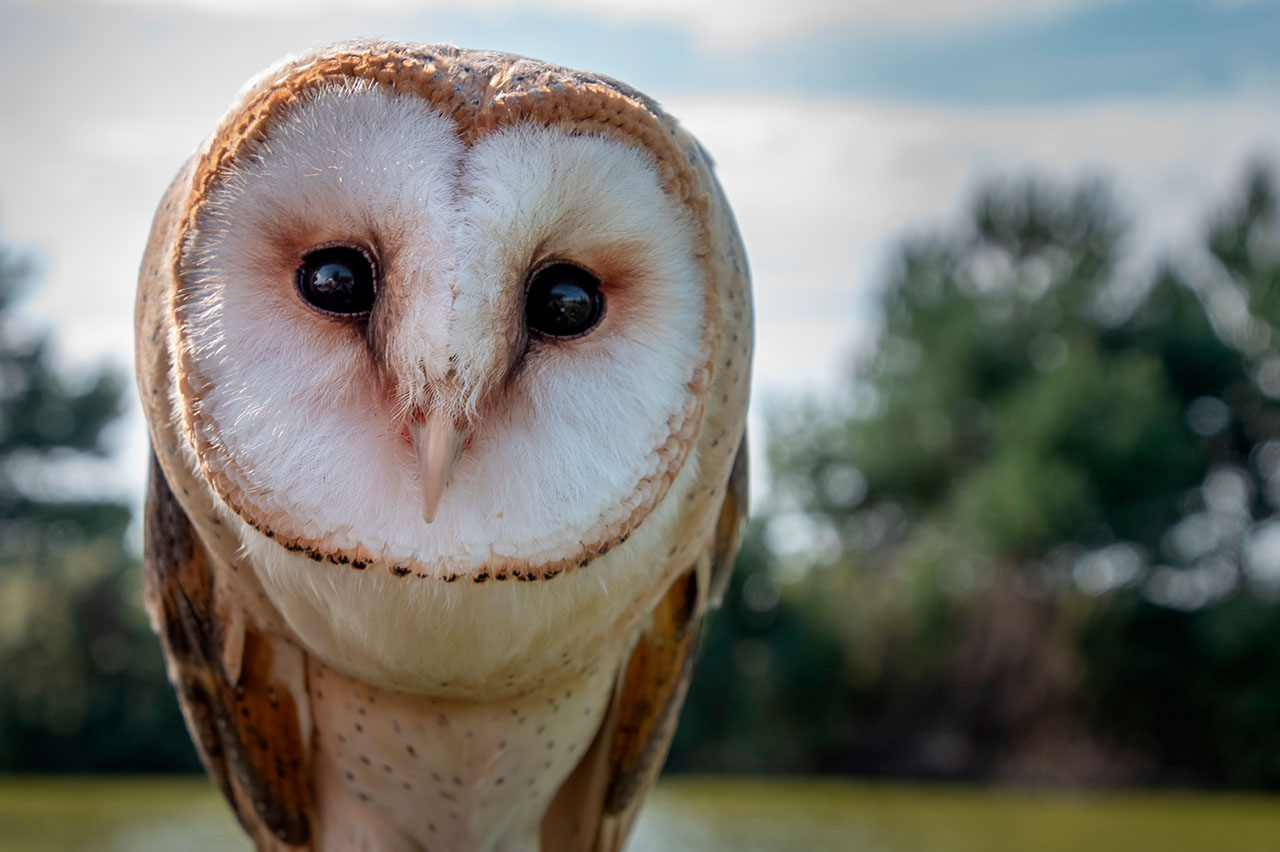
These nocturnal predators are easily identified by their heart-shaped faces. Backs are generally brown or tan, and their undersides are completely white. Unlike most birds, feathering extends all the way to their feet. Special feathers on their wings allow them to fly silently to better ambush their prey.These nocturnal predators are easily identified by their heart-shaped faces.
Backs are generally brown or tan, and their undersides are completely white. Unlike most birds, feathering extends all the way to their feet. Special feathers on their wings allow them to fly silently to better ambush their prey.
About
Kingdom: Animalia
Phylum: Chordata
Class: Aves
Family: Tytonidae
Order: Strigiformes
Physical Characteristics
These nocturnal predators are easily identified by their heart-shaped faces. Backs are generally brown or tan, and their undersides are completely white. Unlike most birds, feathering extends all the way to their feet. Special feathers on their wings allow them to fly silently to better ambush their prey.
Diet
Like all raptors, Barn Owls are carnivorous. As predators, they specialize in taking small animals, especially rodents.
Distribution
Barn Owls are found throughout the globe, in Europe, Africa, Asia, Austrailia, and the Americas. They can inhabit a wide range of ecosystems, so long as there is ample cover and abundant prey.
Behavior
The preferred hunting method for this bird is to scan a favored hunting territory from a high perch, remaining almost stock-still and letting the potential prey reveal itself. Once a target is located, the owl swoops in from behind and strikes with its long, sharp talons.
Reproduction & Growth
Breeding occurs year around and several broods may be raised in a year. Eggs are laid in natural or man-made cavities such as tree holes, caves, or under bridges. In some cases, parents will dig holes for themselves along river banks. Females are responsible for incubating the eggs for about one month until they hatch. During this time, the male is tasked with providing enough food for her, and eventually the chicks as well. Two weeks after the eggs hatch, the female also hunts to feed the young. At about two months of age, the chicks fledge. Although able to take care of themselves, the young will often return to the nest to sleep for several more weeks.
Notes on Conservation
Barn owls are abundant world wide and are not threatened with extinction.
Honolulu Zoo
Our Barn Owl, Bubo-no-no, was brought to us as a chick by the Hawaiian Electric Company. Because Barn Owls do not belong in Hawaii, he was given a permanent home at the Honolulu Zoo.
Lifespan
http://www.audubon.org/field-guide/bird/barn-owl